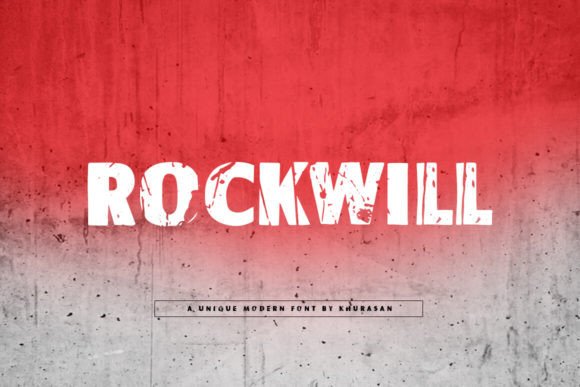
Rockwill: The Modern Sans Serif Rough Font for Brand Identity
I remember staring at my computer screen late one Tuesday night, frustrated by the disconnect between my brand’s warm, handmade aesthetic and the cold, generic fonts I had been using. I run a small online shop selling hand-poured soy candles, and while my product is cozy and inviting, my digital presence felt disjointed. My Instagram posts looked cluttered, my packaging labels were hard to read, and my website banners lacked that "polished" touch I knew I needed to stand out. That was the moment I realized typography wasn't just about picking a pretty letter; it was about setting the mood for my entire business. After hours of testing different typefaces, I found Rockwill, a modern sans serif rough font that completely transformed how my customers perceive my brand.
If you are a small business owner, entrepreneur, or creative looking to elevate your visual identity, you know that the right Fonts can make or break your first impression. Rockwill isn't just another decorative typeface; it is a versatile tool designed to bring character without sacrificing readability. It bridges the gap between professional polish and quirky creativity, making it an ideal choice for anyone who wants their brand to feel both trustworthy and unique.
Why Rockwill Works Best for Logo Design and Brand Logos
The first place I applied Rockwill was to my logo design, and the difference was immediate. A logo needs to be memorable, scalable, and distinctive. Many rough or handwritten fonts become illegible when shrunk down to a favicon size, but Rockwill maintains its structure beautifully. As a Sans Serif typeface with a textured edge, it offers the stability of clean lines while injecting personality through its slightly uneven, organic strokes. This makes it perfect for creating brand logos that don't look like they came from a template library. Whether you are designing a logo for a boutique clothing line, a local café, or a personal coaching service, Rockwill provides a strong foundation. Its modern aesthetic ensures that your brand mark feels current, not dated, which is crucial for attracting new customers in a crowded marketplace.
Using Rockwill for Product Labels and Packaging Design
One of the biggest challenges for handmade sellers is packaging. You want your product to look premium on the shelf or in the mail, but you also need clear information. When I redesigned my candle jars, I used Rockwill for the main product name and key details. Because it is a Sans Serif font, it remains highly legible even on small surfaces. The "rough" aspect of the font adds a tactile, artisanal feel that aligns perfectly with products made by hand. For skincare labels, bakery boxes, or supplement bottles, this font strikes a balance between approachable and sophisticated. It tells the customer, "This product is crafted with care," before they even smell or touch it. Using a consistent font across all your packaging design elements helps build brand recognition, so when a customer sees that specific texture and style, they instantly know it’s yours.
Rockwill for Social Media Graphics and Digital Ads
In today’s digital-first world, your social media graphics are often the first thing a potential customer sees. Scrolling through Instagram or Facebook, users decide whether to stop and engage in a fraction of a second. Generic fonts get scrolled past; unique ones stop the thumb. I started using Rockwill for my social media graphics, particularly for quotes, announcements, and promotional banners. Its quirky nature grabs attention, but because it is rooted in a Sans Serif structure, it doesn’t fight for attention—it commands it respectfully. When paired with high-quality photography, Rockwell allows the text to pop without overwhelming the image. For digital ads and marketing materials, this font helps create a cohesive visual language. Consistency here builds trust, and trust drives clicks.
Enhancing Editorial Design with Rockwill for Magazines and Book Covers
While I primarily use Rockwill for commercial branding, its versatility extends into editorial design. If you are self-publishing an ebook, designing a zine, or creating a digital magazine, Rockwill serves as an excellent display font. The prompt notes that it is perfect for magazines and book covers, and I can attest to its ability to carry heavy visual weight. On a book cover, the rough edges of the letters can suggest themes of adventure, history, or raw emotion, depending on the context. In editorial design, using Rockwill for headlines breaks up dense blocks of text and guides the reader’s eye. It adds a layer of visual interest that keeps readers engaged. For bloggers and content creators, incorporating this font into featured images or header graphics can give your site a more professional, magazine-like quality.
Creating Memorable Banners and Posters with Rockwill
Whether you are promoting a pop-up shop, a webinar, or a seasonal sale, posters and banners need to communicate quickly. Rockwill is specifically noted as being perfect for posters and banners, and for good reason. Its bold presence works well at large sizes, where the subtle textures of the "rough" style become part of the artistic composition rather than a distraction. I used it for a recent flyer announcing a limited-edition collection, and the contrast between the rough font and the clean background created a striking visual hierarchy. For event organizers, musicians, or artists, using Rockwill in your promotional materials signals creativity and effort. It shows that you have invested time in your brand’s presentation, which encourages others to invest their time in you.
Font Pairing and Versatility for Complete Brand Identity
One of the reasons I fell in love with Rockwill is how easily it can be matched with other typefaces. A single font rarely does everything, and Rockwill shines brightest when used as a headline or display font alongside a simpler body text. I pair it with a clean, minimal sans serif for long-form text, ensuring readability on mobile screens and printed materials alike. You can also experiment with pairing it with an elegant serif font for a high-end, luxury feel, or a delicate script font for a softer, more feminine touch. This flexibility means you don’t need to buy multiple expensive type families to achieve a diverse look. By sticking to Rockwill for your primary branding elements—your logo, your headers, your packaging titles—you maintain a unified brand identity. This consistency is what turns casual browsers into loyal repeat customers.
Practical Tips for Using Rockwill in Your Business
When integrating Rockwill into your workflow, keep a few practical tips in mind. First, always check the included styles and weights. Most modern font packs offer regular, bold, and sometimes italic variants, which gives you more options for creating hierarchy. Second, consider the file formats. Ensure you have access to standard formats like TTF or OTF for desktop publishing, and web-safe formats if you are embedding the font on your website. Third, review the licensing terms carefully. As a commercial font, understanding whether you need a standard license for client work or an extended license for merchandise is vital to avoid legal issues. Finally, test your designs. Print a sample label, view your banner on a phone, and zoom in on your logo. Rockwill is designed to be readable, but seeing it in action will help you determine the best sizing and spacing for your specific project.
Choosing the right typography is one of the highest-ROI decisions a small business can make. It doesn’t require a massive budget, just a smart choice. Rockwill, with its blend of modern Sans Serif structure and rough, quirky charm, offers exactly that. It helped me move from feeling like a hobbyist to feeling like a legitimate brand owner. If you are ready to upgrade your posters, logos, magazines, book covers, banners, and everyday business materials, giving Rockwill a try might be the simple change your brand has been waiting for.